What to Expect from Start to Finish
A well built farm shed is one of the most valuable structures on any rural property. Whether you need space for machinery, hay, equipment, chemicals, livestock or a fully functioning workshop, the right shed can make farm operations smoother and more efficient.
Across Griffith and the wider Riverina region, property owners are investing in high quality steel sheds that are designed to handle harsh weather, heavy use, and long term storage needs. If you are planning to build a farm shed in Griffith, Yenda, Hillston, Coleambally, or any surrounding town, it helps to understand the full construction process from start to finish.
This guide breaks down what you can expect at every stage and how BB Building Services manages the project to deliver a strong and reliable result.
1. Choosing the Right Type of Farm Shed
The first step is deciding what type of shed you need. The design will depend on how you plan to use the space. Common shed types across the Riverina include:
Machinery Sheds
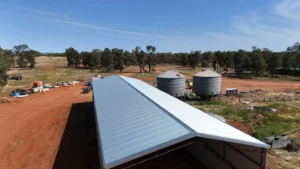
Large, open front or fully enclosed structures designed for tractors, harvesters and heavy farm equipment. Ideal for areas like Darlington Point, Hay, and Hillston where machinery is exposed to dust and extreme heat.
Hay Sheds
Tall, open structures with excellent ventilation to protect hay from moisture and heat damage.
Chemical Storage Sheds
Secure and compliant spaces for storing agricultural chemicals, fertilisers, and fuel, built with safety and ventilation requirements in mind.
Workshops and Multipurpose Sheds
Fully enclosed sheds fitted with roller doors, electrical systems, lighting and storage racks. Perfect for farm repairs, mechanical work and year round storage.
A good shed builder will help you decide on the best layout and structural design for your property and equipment.
2. Site Preparation and Planning
Before construction begins, the site needs to be carefully planned and prepared. This includes:
Site Selection
Choosing a flat, accessible area that makes it easy to move machinery in and out. For properties across Griffith, Narrandera, and Barellan, this often means elevating the shed slightly to avoid water pooling.
Orientation
Positioning the shed so that strong winds, sun exposure and access routes are all taken into account.
Groundwork
Clearing vegetation, levelling the soil, and preparing for either a concrete slab or another suitable base. Some properties in West Wyalong, Lake Cargelligo, or Condobolin require additional stabilisation depending on soil type.
A well prepared site ensures a straight and stable foundation and improves the overall lifespan of the shed.
3. Concrete Slab or Footing Installation
Most farm sheds in the Riverina are built on a reinforced concrete slab. This provides a clean, durable and level base for machinery and farm equipment.
In some cases, post footings or piers are used instead. The choice depends on the shed type, soil conditions, and your intended use of the space.
BB Building Services manages the entire concreting process, from forming and reinforcing through to pouring and curing, ensuring the base is strong and compliant.
4. Delivery of Materials
Once the slab is ready, the steel framing, roof sheets, wall sheets and structural components are delivered. Every component is measured and fabricated to suit your design.
Properties located further out, such as Gunbar, Roto, Ungarie and Mossgiel, often require specific planning to manage transport access. A good builder will organise this well in advance to avoid delays.
5. Structural Assembly
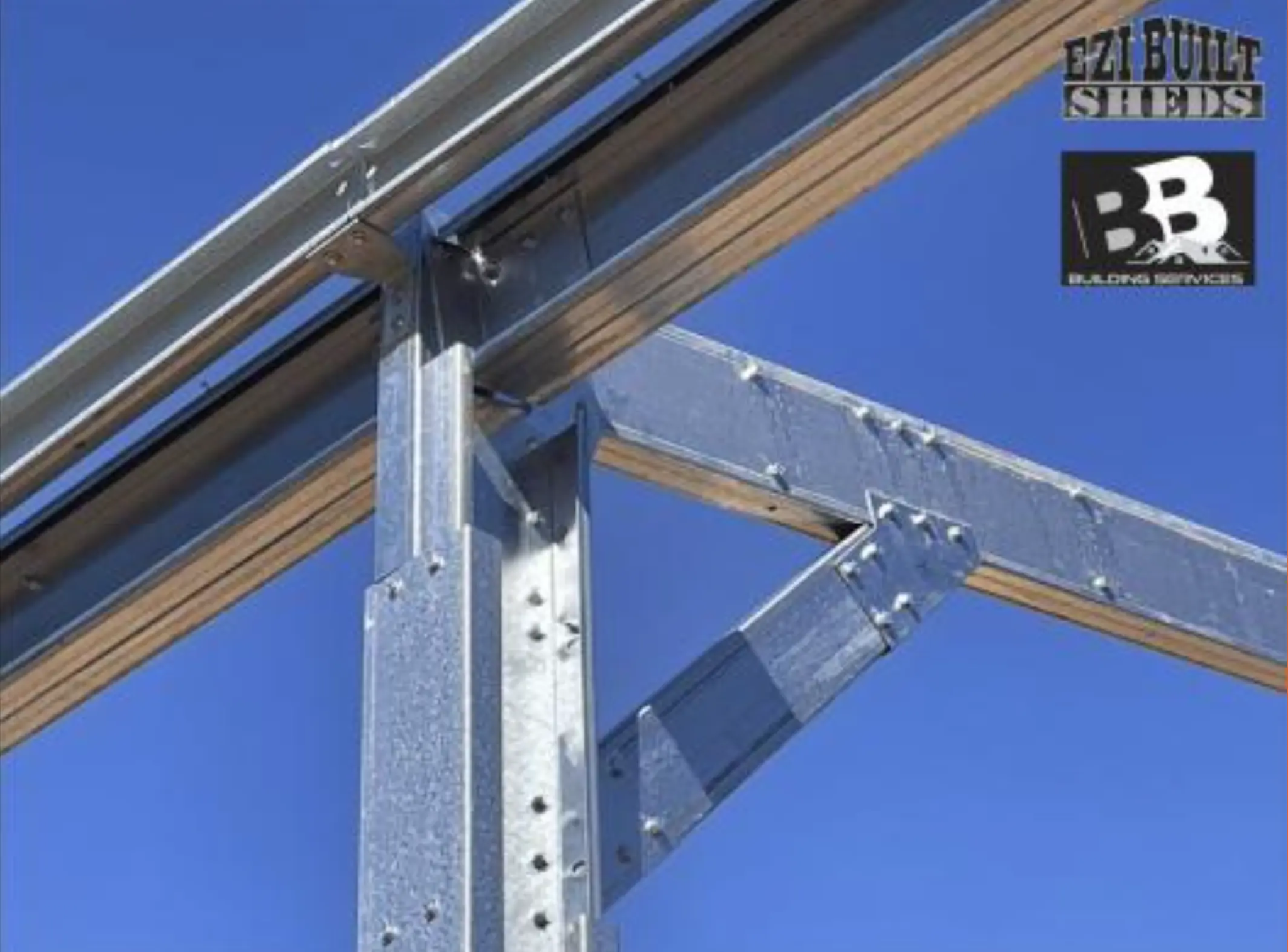
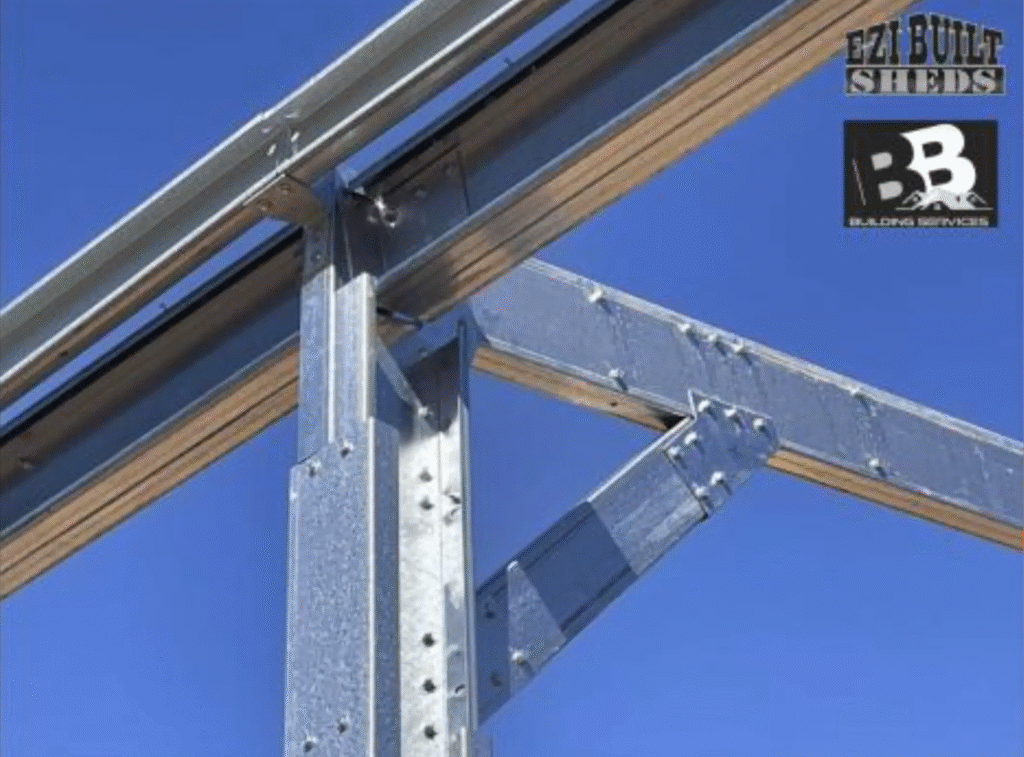
The frame is assembled first. This creates the skeleton of the shed. Next, purlins, girts and bracing are installed to ensure the structure is square and rigid.
After the frame is in place:
Roof Sheets
Installed with precision to ensure correct alignment, weather protection and long term durability.
Wall Sheets
Fitted once the roof is secure, ensuring the shed is protected from wind and moisture.
Doors and Openings
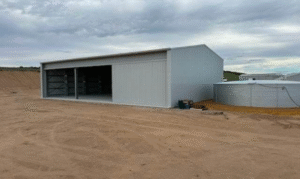
Roller doors, sliding doors and access openings are installed depending on your layout. For machinery sheds in areas like Darlington Point or Hillston, large sliding doors are common for easy entry and exit.
This stage transforms the project from an empty slab into a fully formed shed.
6. Fit Out and Finishing
Once the structure is complete, any additional features can be added. These include:
- Gutters and downpipes
- Skylights
- Ventilation
- Electrical systems and lighting
- Workbenches or storage racks
- Internal dividers
- Reinforced concrete bays for heavy equipment
This is where your shed becomes functional and ready for daily farm use.
7. Final Checks and Handover
When the shed is finished, a full inspection is carried out. BB Building Services checks every connection, every fixing and every structural component to ensure it meets Australian standards and performs correctly.
You will also receive guidance on maintenance, cleaning, and any relevant safety considerations.
Your farm shed is then ready for use, whether you are storing machinery, hay, chemicals or tools.
Why Riverina Farmers Choose BB Building Services
We understand the conditions across Griffith, Yenda, Coleambally, Hillston, Darlington Point, Hay and the surrounding region. Our sheds are designed to handle heat, wind, dust, storms and heavy farm workloads.
BB Building Services uses Australian steel and proven installation methods to ensure the shed is built strong and built once.
Whether you need a new machinery shed, a multi bay workshop or a fully compliant chemical storage shed, our team delivers a seamless process from planning through to completion.