Steel Buildings for Agricultural Businesses
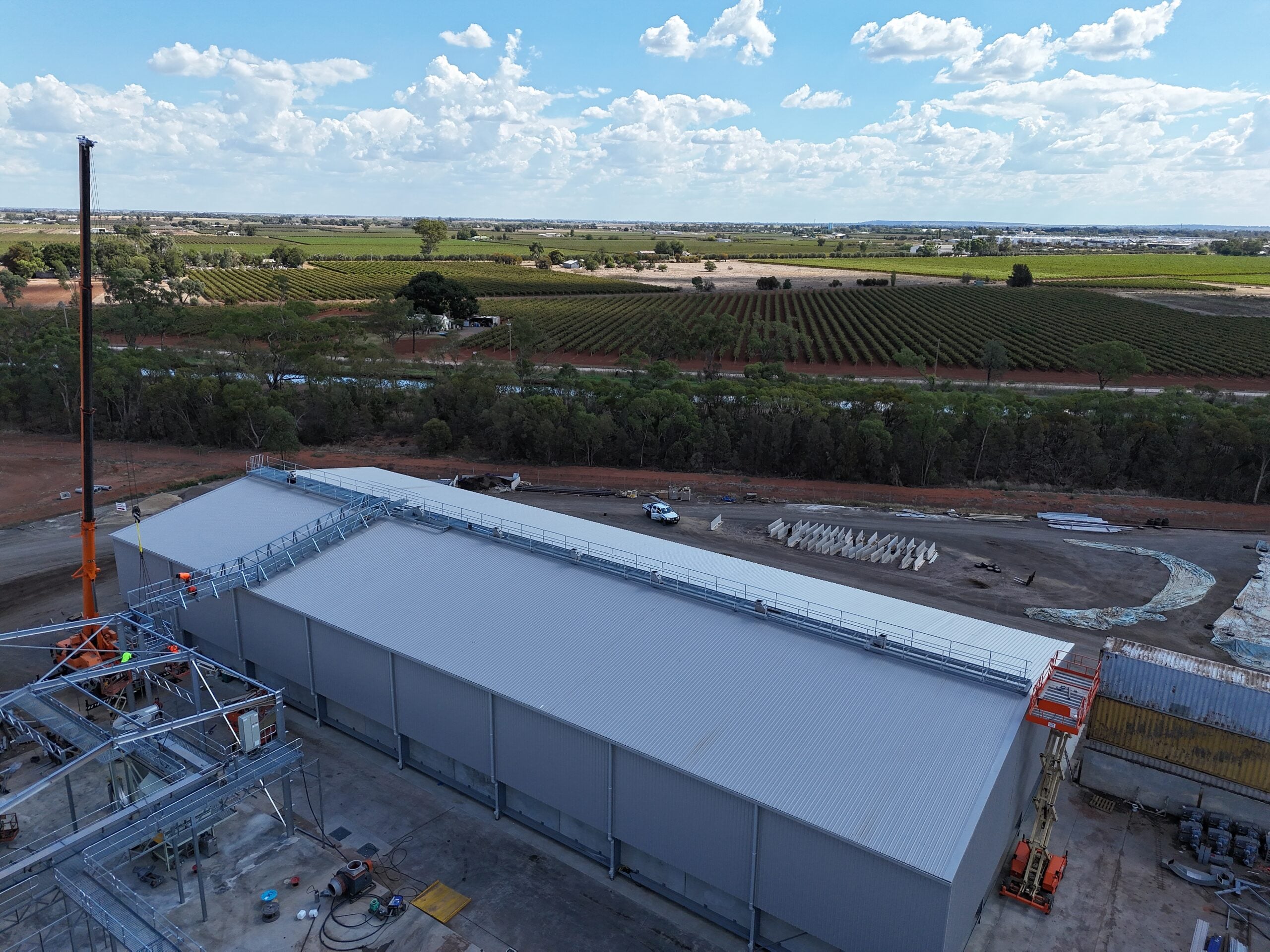
For farms and agribusinesses across New South Wales, the right building is a working asset. It protects expensive machinery, keeps feed and produce dry, shelters livestock, and gives you room to work in any weather. Steel has become the material of choice for agricultural buildings — and for good reason: it's strong, durable, low-maintenance, and adaptable to almost any purpose on the land.
From the Riverina's broadacre cropping and irrigation country to mixed farming operations right across regional NSW, agricultural infrastructure has to stand up to heat, wind, dust, and heavy daily use. This guide covers why steel suits agriculture, the main types of steel buildings, what to get right in the design, and the standards a well-built structure should be engineered to.
- Long-lasting. Steel doesn't rot, warp, or attract termites, and it stands up to harsh rural conditions with minimal upkeep.
- Wide open spans. Engineered steel frames create column-free space for machinery, storage, and livestock.
- Adaptable. Extend, modify, or repurpose the building as your operation changes.
What Farmers Build in Steel
A steel frame can be configured for almost any job on a rural property. Some of the most common agricultural steel buildings include:
Machinery & Equipment Sheds
Secure, weatherproof storage for tractors, headers, and high-value equipment.
Hay & Grain Storage
Dry, well-ventilated storage that protects fodder and grain quality year-round.
Workshops & Farm Offices
Practical working space for repairs, maintenance, and running the business.
Livestock Shelters & Housing
Ventilated, durable structures that keep stock protected and comfortable.
Fertiliser & Chemical Storage
Purpose-built, corrosion-aware storage for inputs that need extra protection.
Multi-Purpose Barns
Flexible, column-free buildings that adapt as your operation grows.
Why Steel Outperforms on the Land
Durability That Suits Rural Conditions
Steel resists rot, warping, and termites, and it's non-combustible — a meaningful advantage in bushfire-prone parts of NSW. Where a timber structure ages and weakens, a well-coated steel building keeps protecting your machinery, stock, and produce for decades with very little intervention.
Wide, Column-Free Spans
Structural steel portal frames create large, open interiors without internal columns getting in the way. That means room to manoeuvre big machinery, stack hay high, or run livestock without obstruction — and the freedom to lay the space out however your operation needs.
Low Maintenance, Low Lifetime Cost
Modern coated steel is built to resist corrosion, so upkeep is minimal compared with timber. Fewer repairs and no rot or pest treatment mean the real cost of a steel building — measured over its full life, not just the build — is highly predictable and hard to beat.
Fast to Build and Cost-Effective
Engineered steel components are fabricated to spec and erected efficiently on site, so the building is up and working sooner — with less disruption to a busy operation. For most agricultural applications, steel delivers excellent value per square metre.
Expandable and Adaptable
Farms change. Steel buildings can be extended with extra bays, fitted with awnings, roller doors, or a mezzanine, and repurposed as your needs shift — a machinery shed today, extra storage tomorrow. Designing with future growth in mind protects your investment.
Engineered for Australian Conditions
A quality steel building is engineered for the specific wind region, loads, and climate of the site it's built on. That engineering is what lets it stand up to the heat, wind, and storms of regional NSW — and it's the difference between a shed and a structure you can rely on.
An agricultural building isn't just sheeting on a frame — it's an engineered structure, and it should be built like one. Reputable steel buildings are designed and certified to the relevant Australian Standards, including AS 4100 (Steel Structures) and the AS/NZS 1170 series for structural design actions — the permanent, imposed, and wind loads a building must withstand — and they comply with the National Construction Code (NCC).
Just as importantly, the structure should be engineered for the wind region and site conditions where it's built: what suits a sheltered inland block is different from what an exposed ridgeline demands. Whoever you build with, it's worth asking them to confirm their buildings are engineer-certified to these standards.
Getting the Design Right
The best agricultural buildings are designed around how they'll actually be used. A few things are worth planning for from the start:
- Ventilation & condensation. Critical for hay, grain, and livestock health — good airflow prevents moisture build-up and "roof rain".
- Corrosion protection. Fertiliser, chemical, and coastal environments call for higher-grade coatings and detailing.
- Foundations & drainage. The right slab and site drainage keep the structure sound and the interior usable.
- Orientation & access. Prevailing wind, sun, and door sizing all affect how well the building works day to day.
- Approvals. Some farm buildings in NSW may be exempt or complying development; larger structures usually need council approval — always check first.
Steel vs Timber, at a Glance
| Timber-framed | Steel-framed | |
|---|---|---|
| Service life | Shorter, weathers over time | Long, with minimal upkeep |
| Maintenance | Higher — sealing, repairs | Low |
| Clear span | Limited | Wide, column-free |
| Fire | Combustible | Non-combustible |
| Pests & rot | Susceptible | Not affected |
| Expandability | Harder to extend | Straightforward to extend |
The more boxes you tick, the better a steel building is likely to suit your operation.
A steel building is one of the most cost-effective, long-lasting investments an agricultural business can make — provided it's engineered properly and designed around how you work. With a design & construct approach, one team handles the planning, engineering, and construction, so the finished building fits your operation and meets the standards it should.
Infrastructure Built Around Your Operation
No two farms are the same, and neither are their buildings. The right structural steel building starts with your purpose — what you're protecting, how you work, and how you expect to grow — and is engineered from there. That's how agricultural infrastructure earns its keep for decades.
Agricultural Steel Buildings Across the Riverina & Regional NSW
BB Building Services designs and constructs steel buildings, sheds, and agricultural infrastructure for farms and agribusinesses across the Riverina and regional New South Wales — engineered to Australian Standards and built around how you work. If you're planning a new building, let's talk.
Request A Free Quote